
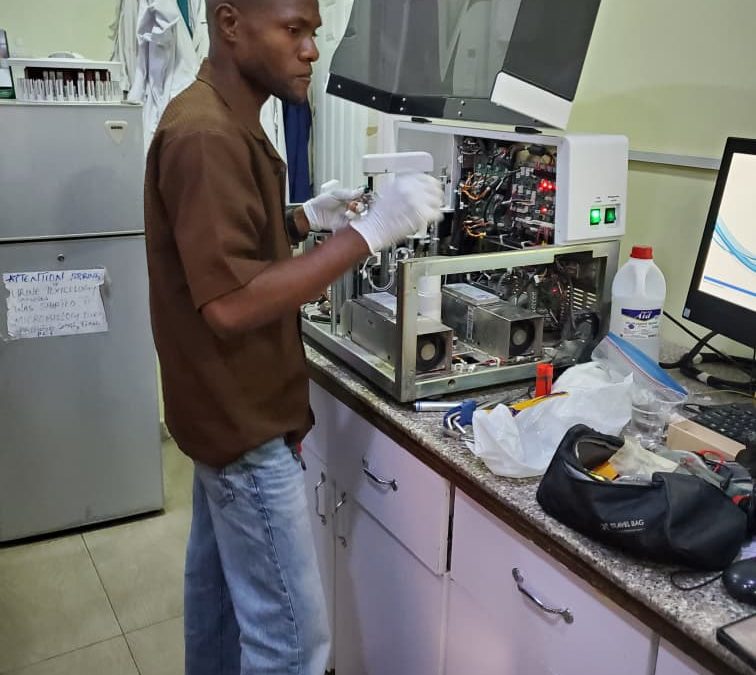
Your analyser is working. But does that mean everything is fine?
The laboratory is busy. Samples are waiting, results need to be released, and your analyser appears to be doing exactly what it should.
No unusual sounds. No obvious error messages. No visible signs of trouble.
Then someone says:
“Let’s finish these samples first. We’ll do the maintenance later.”
It sounds reasonable, especially on a busy day.
But later becomes tomorrow. Tomorrow becomes next week. And because the analyser continues to run, routine maintenance becomes easier to postpone.
This is one of the laboratory mistakes we see, and it can become more costly than it initially appears.
A Working Analyser Still Needs Maintenance
One of the easiest assumptions to make is that maintenance becomes urgent only when equipment starts behaving abnormally.
But routine maintenance is largely preventive.
Its purpose is not simply to fix an analyser that has already developed a problem. It helps keep the system operating according to the manufacturer’s specifications and reduces the likelihood of preventable problems developing in the first place.
Depending on the analyser, sample type, testing workload and manufacturer’s instructions, routine maintenance may involve cleaning designated components, checking fluid pathways, inspecting probes and tubing, emptying waste, checking reagent or fluid levels and performing specified system checks.
When these tasks are repeatedly postponed, small issues may gradually develop.
And that is what makes skipped maintenance easy to underestimate.
The analyser does not necessarily stop working immediately.
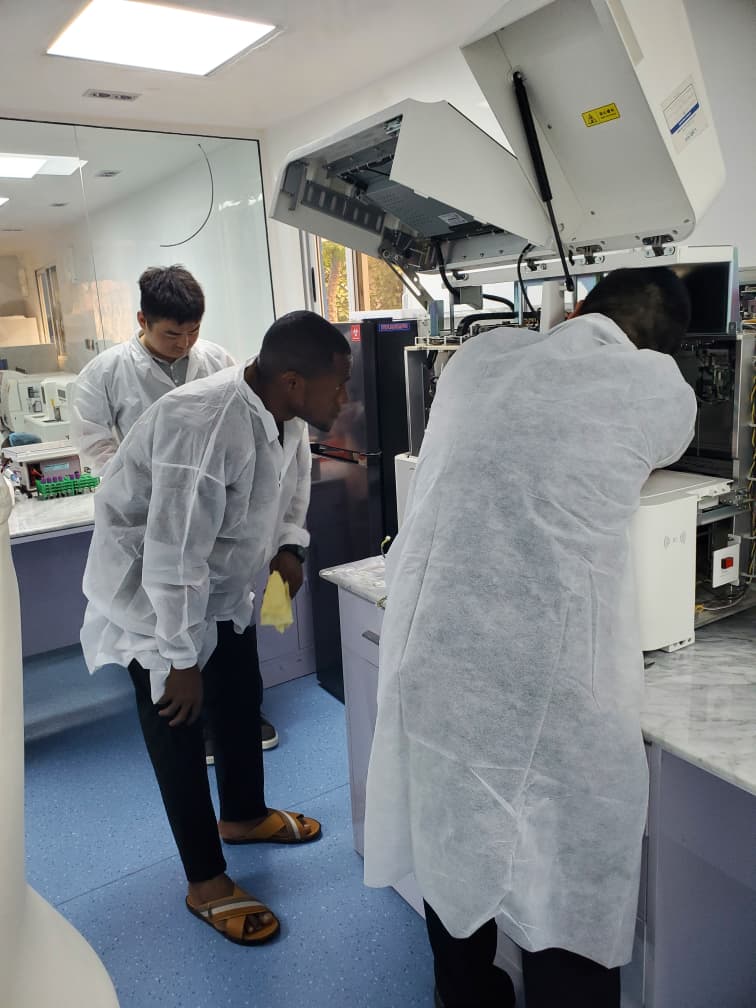
What Can Happen When Routine Maintenance Is Skipped?
Consider an analyser that processes samples every day.
With continued use, substances such as sample residue, reagent deposits, clots or debris may accumulate in parts of the system, depending on the analyser and its operating principle.
If the manufacturer’s required cleaning and maintenance procedures are not carried out appropriately, this may contribute to problems such as blockages, aspiration difficulties, contamination or carryover, inconsistent analyser performance and increased repeat testing.
The consequences can extend beyond the equipment itself.
A seemingly small maintenance omission may eventually affect:
- Turnaround time: An unexpected equipment problem can interrupt testing and delay the release of results.
- Reagent consumption: Repeat tests and troubleshooting may consume additional reagents and controls.
- Laboratory workflow: Staff may have to stop routine work to investigate an issue or move samples to another system.
- Operating costs: Problems that could have been prevented through routine care may eventually require technical intervention or replacement parts.
- Service continuity: When a heavily relied-upon analyser becomes unavailable, the effect can quickly spread across the laboratory’s workflow.
This is why maintenance should not be viewed simply as an engineering responsibility.
It is part of good laboratory operations.
Daily Maintenance and Weekly Maintenance Are Not the Same Thing
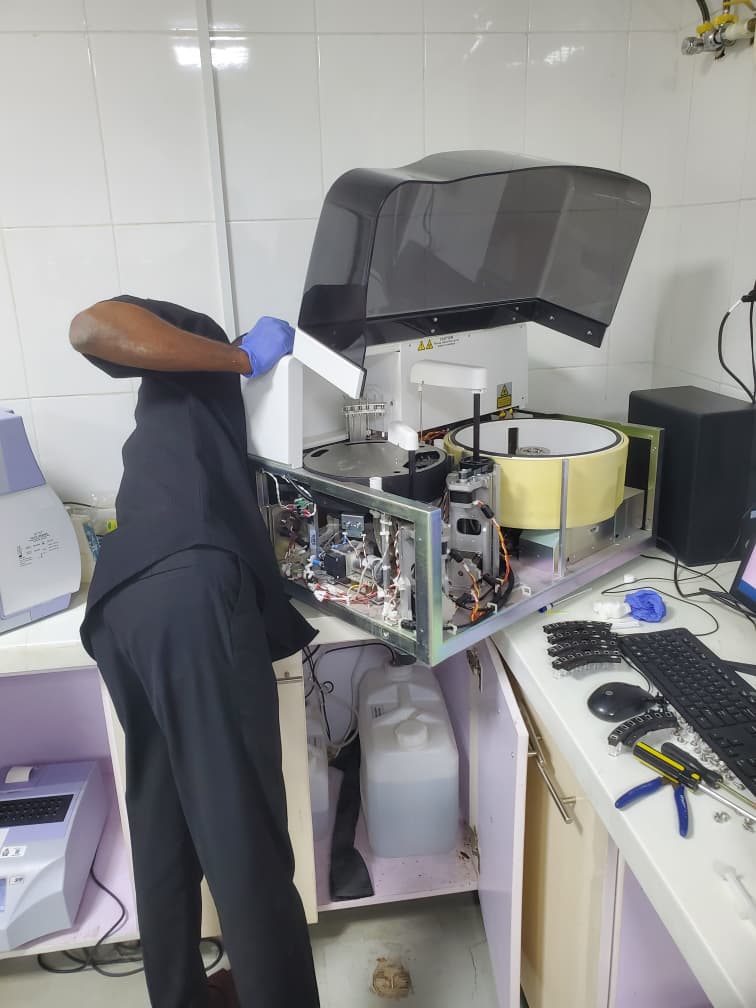
The exact maintenance requirements of an analyser should always come from its manufacturer. Different systems have different components, operating principles and recommended procedures.
However, maintenance schedules are often divided according to frequency.
Daily maintenance
Depending on the equipment, daily procedures may include tasks such as checking specified fluid or reagent levels, emptying designated waste containers, cleaning approved surfaces or components, inspecting relevant areas for leaks or abnormalities and carrying out manufacturer-recommended start-up or shutdown procedures.
These are often relatively small tasks, which is exactly why they can be easy to postpone.
Weekly maintenance
Weekly procedures may involve more detailed cleaning, inspection or checks of specified components, again depending on the manufacturer’s instructions.
The important principle is simple:
Do not create a generic maintenance routine and assume it applies to every analyser in the laboratory.
Follow the maintenance schedule and procedures specified for the particular equipment you are using.
“But We Are Too Busy”
This is where the challenge becomes very real for many laboratories.
When the bench is busy and samples are piling up, stopping for maintenance can feel like losing valuable testing time.
But there is another way to look at it:
A few minutes allocated to required preventive maintenance may help avoid hours of unplanned disruption later.
Rather than treating maintenance as something to fit in when the laboratory becomes quiet, incorporate it into the workflow.
Assign responsibility.
Create a schedule.
And make sure everyone who operates the equipment understands what they are authorised and trained to do.
Don’t Rely on Memory. Document It.
One of the simplest ways to strengthen equipment maintenance practices is to maintain an appropriate maintenance log or checklist.
A useful record may include information such as:
| What to record | Why it matters |
|---|---|
| Date and time | Shows when maintenance was performed |
| Equipment identification | Prevents confusion where multiple analysers are used |
| Maintenance activity | Records exactly what was carried out |
| Person responsible | Establishes accountability |
| Observations | Captures leaks, unusual behaviour, error messages or other concerns |
| Corrective action, where applicable | Shows what was done when an issue was identified |
Documentation does more than prove that a task was completed.
Over time, maintenance records can help a laboratory identify recurring problems, notice patterns and provide useful information when technical support is required.
Maintenance Also Requires Proper Training
There is another important issue.
Knowing that maintenance should be performed is not the same as knowing how to perform it correctly.
An operator who has not been properly trained may overlook an important procedure, use an inappropriate cleaning method or attempt an intervention that should be handled by trained technical personnel.
Laboratories should therefore ensure that equipment users understand:
- The manufacturer’s recommended maintenance schedule
- Which tasks should be performed daily, weekly or at other specified intervals
- The correct procedure for each authorised maintenance activity
- How maintenance should be documented
- Which warning signs should be escalated
- When to stop troubleshooting and contact qualified technical support
And importantly, staff should not improvise maintenance procedures that are outside the manufacturer’s instructions or their level of training.
When Should You Call Technical Support?
Routine operator maintenance and technical servicing are not necessarily the same thing.
If an analyser repeatedly produces errors, develops persistent aspiration problems, shows unusual leaks or sounds, repeatedly fails specified checks, or continues to behave abnormally after authorised troubleshooting has been completed, it may require technical assessment.
Trying to dismantle or repair components without the appropriate training can make the situation worse and may also conflict with the manufacturer’s servicing requirements.
Know where routine user maintenance ends and qualified technical intervention begins.
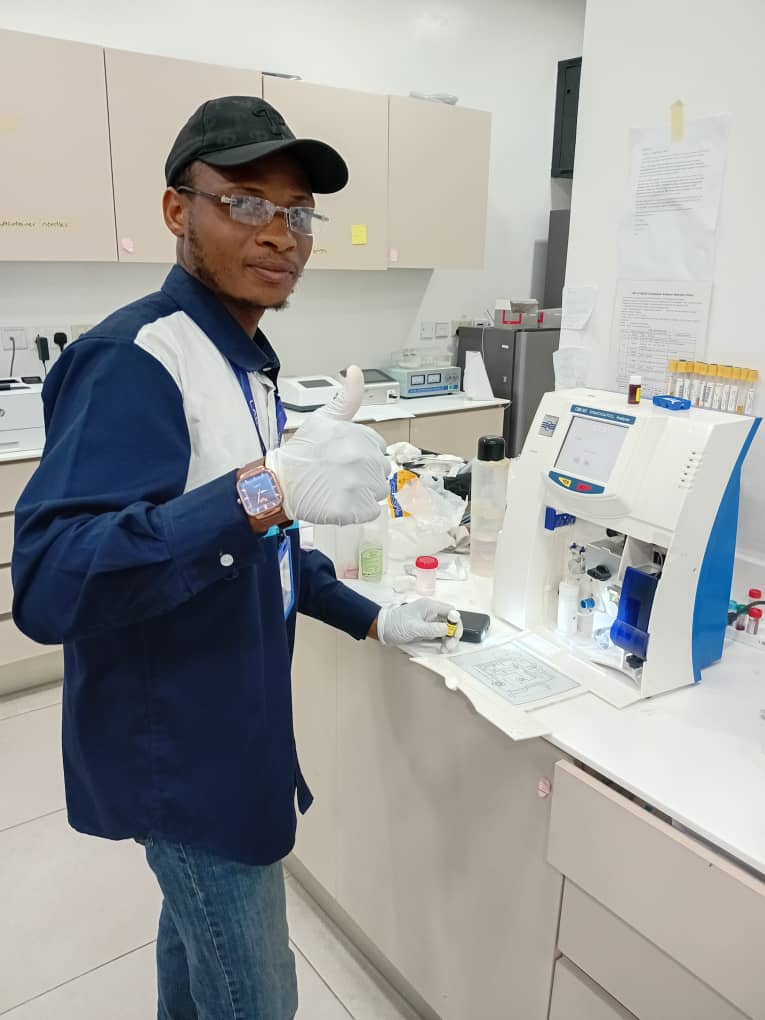
A Better Maintenance Culture Starts Before the Breakdown
A laboratory should not have to wait for an analyser to stop in the middle of a busy day before asking when it was last properly maintained.
A stronger approach is proactive:
Follow the manufacturer’s schedule. Train the people using the equipment. Assign responsibility. Document completed maintenance. Escalate abnormalities appropriately.
These may seem like small operational habits, but together they can contribute to more reliable workflows and fewer preventable disruptions.
At LABORIA, we believe equipment support goes beyond supplying an analyser.
We support laboratories through equipment installation, user training, technical support, maintenance guidance, reagents and other diagnostic solutions designed to help laboratories operate effectively.
Because the best time to think about maintenance isn’t after your analyser stops.
It’s while it’s still working.
Lab Mistakes We See™
This article is part of LABORIA’s Lab Mistakes We See™, an educational series examining everyday laboratory practices that can affect equipment, workflow, efficiency and the quality of laboratory operations, and sharing practical ways laboratories can improve.
Next time you walk past an analyser that is working perfectly, ask one simple question:
When was its last scheduled maintenance actually completed?